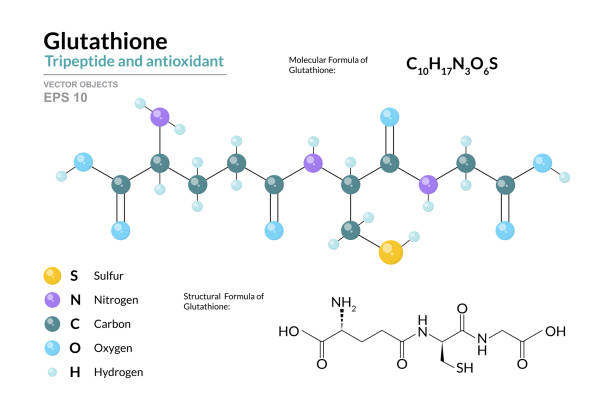
is their a conflict withhumira and glutathione L-Glutathione vs. oxidized vs. Reduced How Compounded Glutathione Injections Interact
Description
Following administration in animal models: BPC-157 demonstrates rapid systemic distribution within 15-30 minutes with unusual oral bioavailability TB-500 shows tissue-specific accumulation with preferential uptake in injured areas GHK-Cu exhibits copper-mediated transport and gene-modulating tissue binding KPV utilizes PepT1 transporter-mediated uptake with enhanced delivery to inflamed tissues Combined formulation provides immediate, sustained, and targeted bioactivity across multiple mechanisms Distribution studies suggest that injury sites and inflamed tissues tend to concentrate multiple components through different mechanisms BPC-157 through injury-site targeting, TB-500 through actin-rich repair zones, GHK-Cu through copper-dependent pathways, and KPV through upregulated PepT1 in inflammation, potentially enhancing local therapeutic effects

Se is toxic to cancer cells due to a correlated action between its pro-oxidant activity and its ability to generate reactive oxygen species (ROS), which leads to apoptosis ( It has been reported that SeNPs exhibit higher anticancer efficacy and fewer side effects compared to inorganic and organic selenium-containing molecular compounds (Zhou et al., 2017), and irinotecan ( Apart from the delivery of small molecular drugs, recent studies have confirmed the same synergistic effect of SeNPs in combination with siRNA for targeted gene silencing as well (Zheng et al., 2016), HSP70 (Yu et al., 2014)

Studies have shown that changes in the expression and activity of GST are closely associated with the development of various neurodegenerative diseases (Grabska-Kobyecka et al., 2023

This needs to be investigated biochemically and in cell-based studies, once potency and cell permeability are sufficiently established
in a larger Ladakhi cohort, which revealed that seven EGLN1 polymorphisms (rs1538664, rs479200, rs2486729, rs2790879, rs480902, rs2486736 and rs973252) were strongly correlated with HAPE susceptibility


