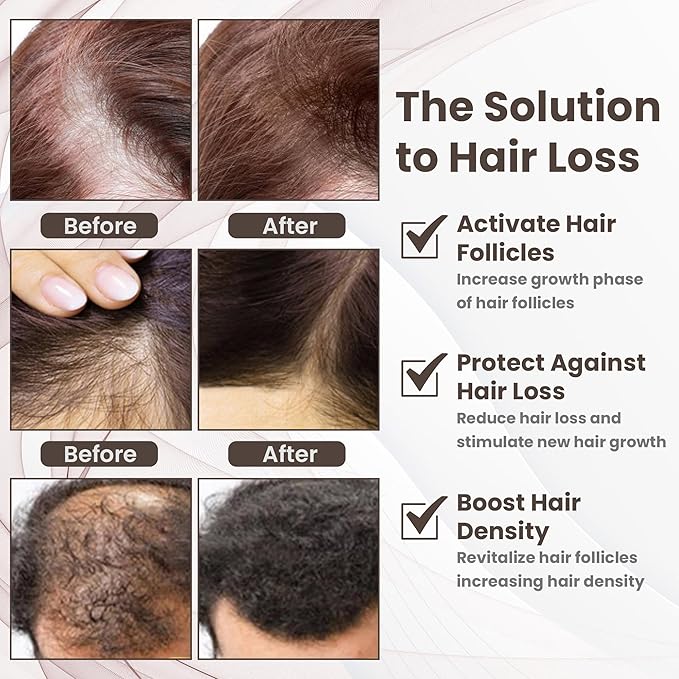
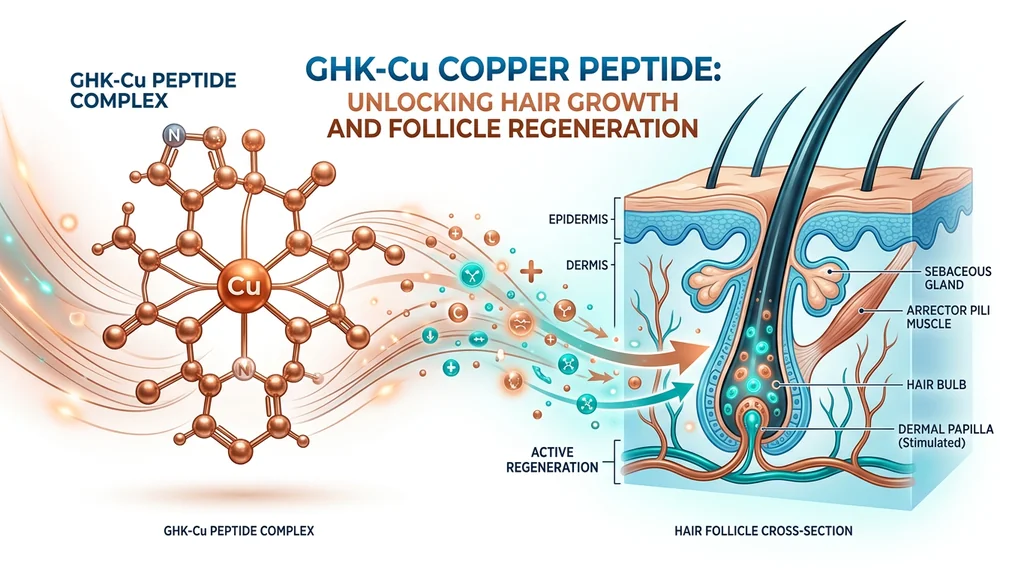
ghk cu copper peptide topical hair growth clinical study Serum Hair Tonic with GHK ghk-cu hair growth clinical trial
Description
Who should avoid Epithalon Absolute contraindications: Pregnancy or breastfeeding (no safety data) Active cancer diagnosis (telomerase concerns) Children and adolescents (still developing) Severe kidney or liver disease (clearance issues) Relative contraindications (use caution): Autoimmune conditions (immune stimulation could worsen) History of cancer (even if in remission - discuss with oncologist) Severe sleep disorders (pineal effects unpredictable) Taking immunosuppressants (opposing effects) Severe mental health conditions (monitor carefully) When to consult physician: Any chronic medical conditions Taking prescription medications History of adverse peptide reactions Uncertain about appropriateness Want medical monitoring during treatment Age considerations: Under 30: Questionable benefit (telomeres still long, aging minimal ) 30-50: Preventive use reasonable, moderate benefits 50+: Best candidates, age-related decline more pronounced 70+: Still beneficial but more medical monitoring advised Find peptide therapy clinics for supervised treatment at SeekPeptides

Vitamin injections treat: Low energy and chronic fatigue Weakened immune system Dull or tired-looking skin Slow metabolism and weight management struggles Cognitive fog or poor mental clarity Stress-related depletion and burnout Poor nutrient absorption from diet alone Muscle weakness or recovery challenges Mood imbalances and irritability Your vitamin injection options in Chino Hills B12 B12 injections are ideal for boosting energy, supporting red blood cell production, and improving overall vitality
Three patients developed low blood pressure, uncontrollable shaking, shivering, and body aches shortly after or during administration of a product from the same vial
Curry, J

KESIMPTA is only indicated for the treatment of relapsing forms of MS, to include clinically isolated syndrome, relapsing-remitting disease, and active secondary progressive disease, in adults 1 3